The following are composition/art vocabulary definitions. These are not in my own words nor are the reference images mine. All images and definitions are found on the internet and I referenced what I could.
1-Dimenstional: One-dimensional pictures are those containing only one dimension. This is only possible when you’re dealing with a line, as the only dimension you have is length, defined by a single figure. source
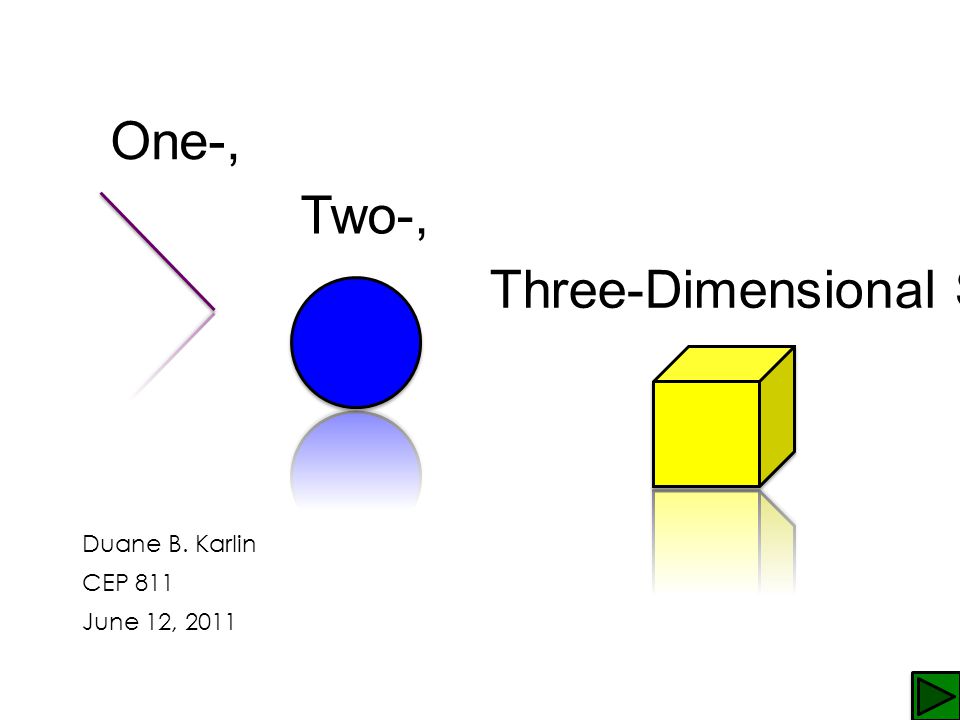
2-Dimensional: it means that the composition possesses the dimensions of length and width but does not possess depth. All 2-dimensional pieces of art, such as drawings, paintings, and prints, are made up of shapes. source
3-Dimensional: Three-dimensional art is observed in terms of its height, width and depth. It is not flat like two-dimensional art, which consists of paintings, drawings and photographs. Pottery and sculpture are examples of three-dimensional art. source
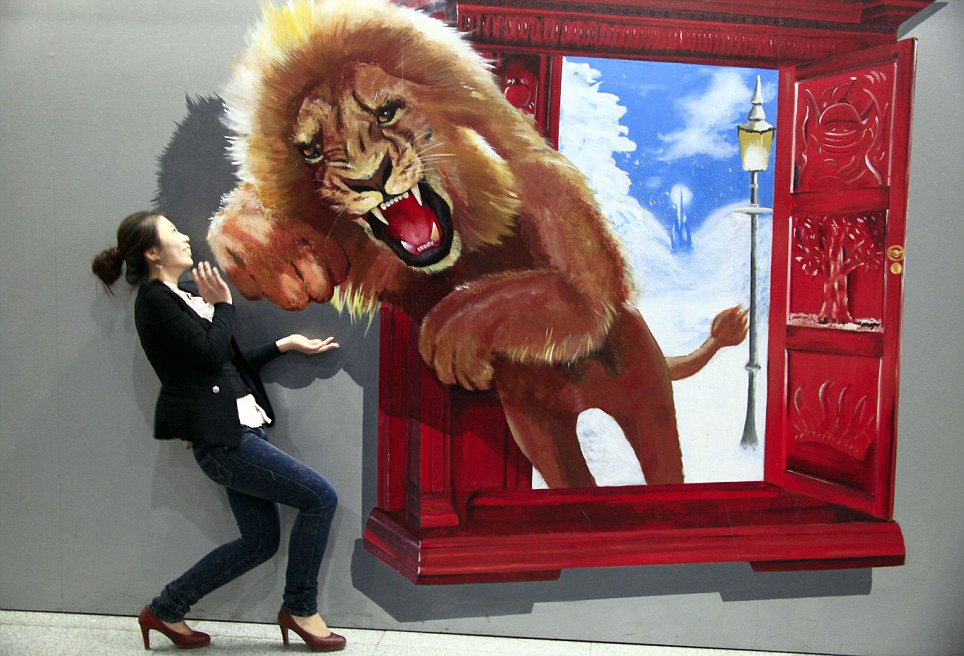
4-Dimensional: from my understanding this is art that utilizes height, width, depth, and even motion or the feeling of motion or the object coming out of it’s dimension it appears to be in.
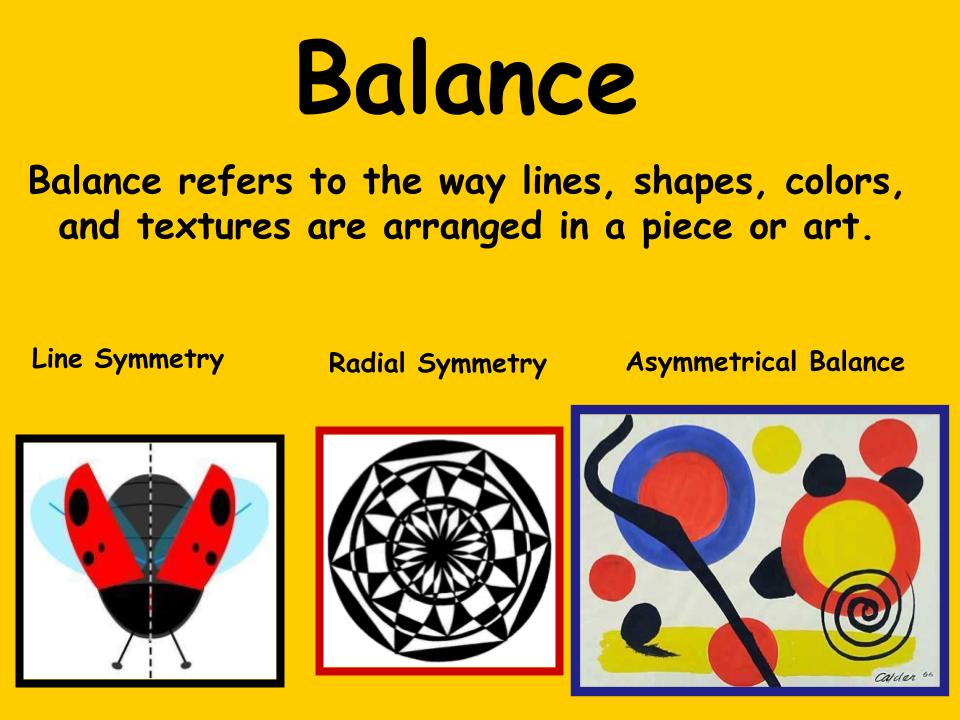
Asymmetry: asymmetrical balance occurs when you have different visual images on either side of a design, and yet the image still seems balanced. To be considered asymmetrical, a design needs to have unequal visual weight on either side, but those unequal visuals need to balance each other. source

Balance: refers to the sense of distribution of perceived visual weights that offset one another. We feel more comfortable–and therefore find it more pleasing–when the parts of an artwork seem to balance each other. Imbalance gives us an unsettled feeling, and that is something that for most artists is not the desired effect. Some artists, however, deliberately disturb our sense of balance. source
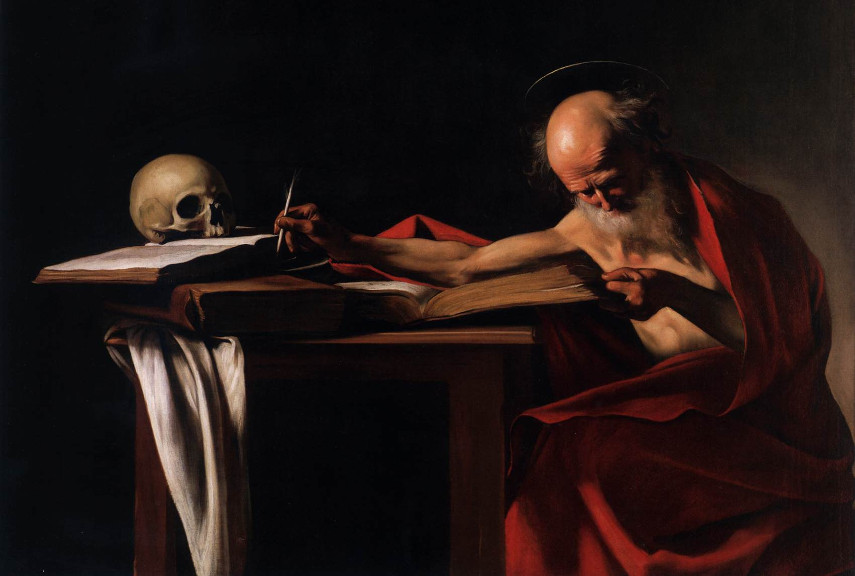
Chiaroscuro: is an Italian artistic term used to describe the dramatic effect of contrasting areas of light and dark in an artwork, particularly paintings. It comes from the combination of the Italian words for “light” and “dark.” source
Contrast: a strategy used by an artist to break up a work of art, and alter or even shatter its unity by inserting variation. In many ways, contrast is the opposite of the element of unity, in that it commands the viewer’s attention by sheer force of its differences. source
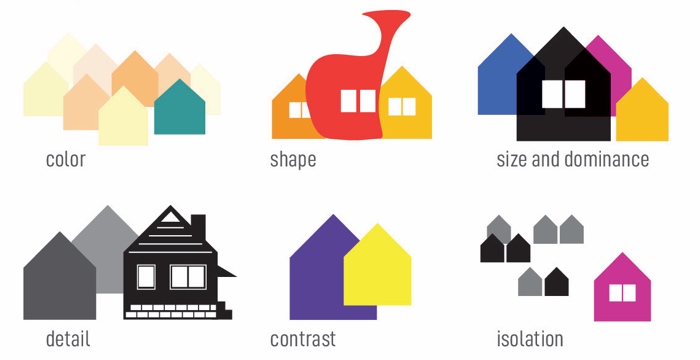
Focal Point: the area in the composition to which the viewer’s eye is naturally drawn. It is essential to classic art, although abstract artists may deliberately create compositions without focal points. Focal points may be of any shape, size or color. Composition theory dictates that focal points ought not to be in the center of paintings, but rather one-third of the way across or up the composition, in one of the rectangle’s four quandrants. source
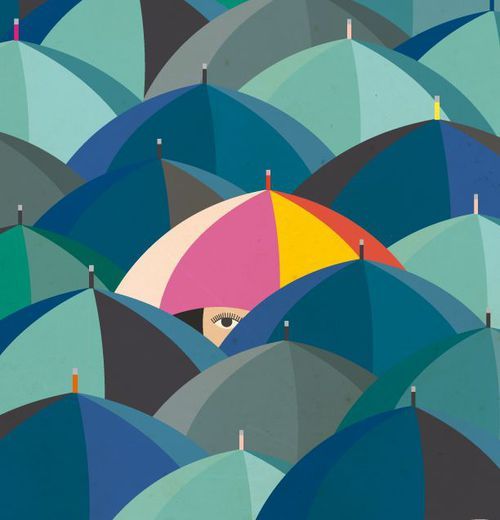
Juxtaposition: things side-by-side. In art this usually is done with the intention of bringing out a specific quality or creating an effect, particularly when two contrasting or opposing elements are used. source
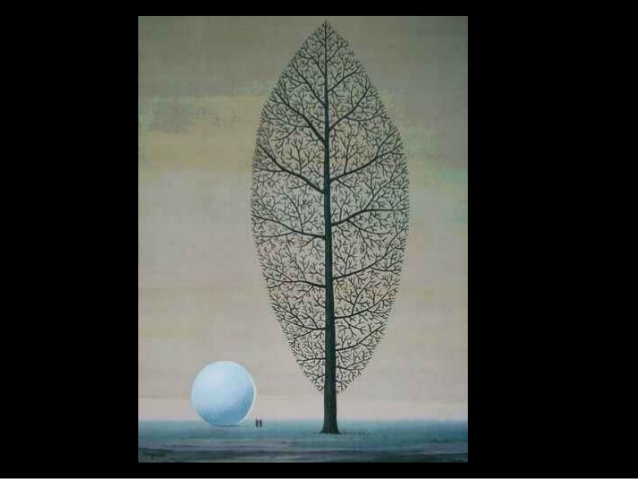
Leading Lines: refers to a composition technique whereby the viewer’s eye is attracted to lines that lead directly to the principle subject in the image. source
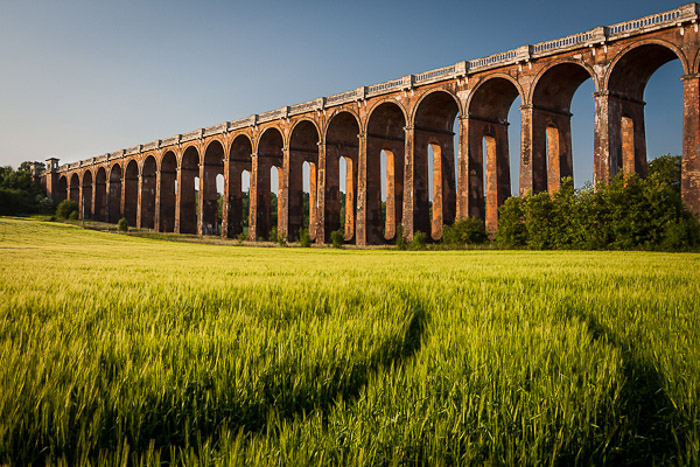
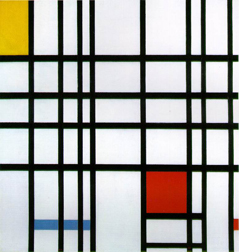
Modernism: refers to a global movement in society and culture that from the early decades of the twentieth century sought a new alignment with the experience and values of modern industrial life. Building on late nineteenth-century precedents, artists around the world used new imagery, materials and techniques to create artworks that they felt better reflected the realities and hopes of modern societies. source
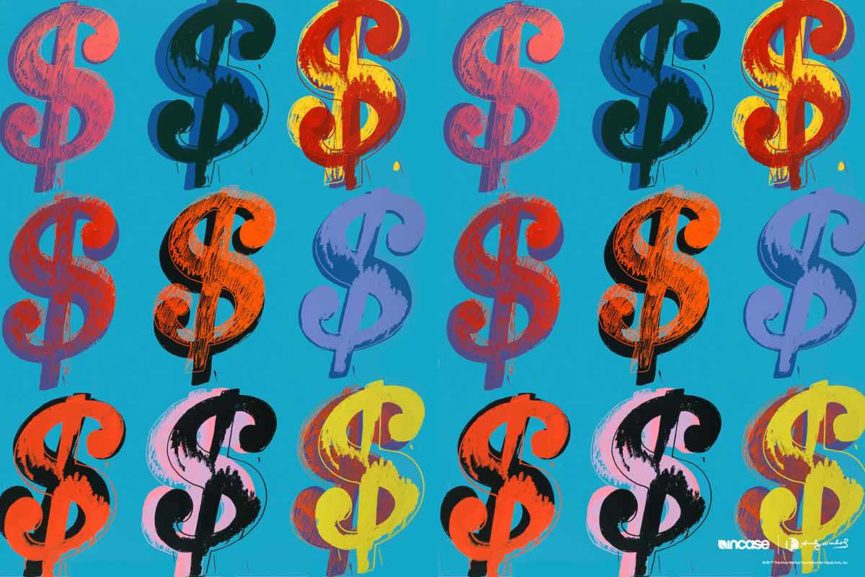
Motif: a recurring fragment, theme or pattern that appears in a work of art. source
Negative Space: the area around and between a subject. source

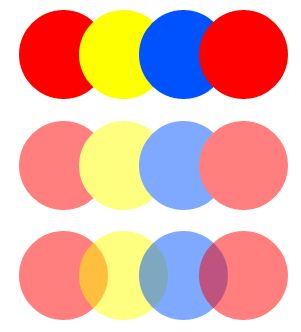
Opacity: used to describe how much light can pass through an object ranging from transparent through translucent to opaque. source
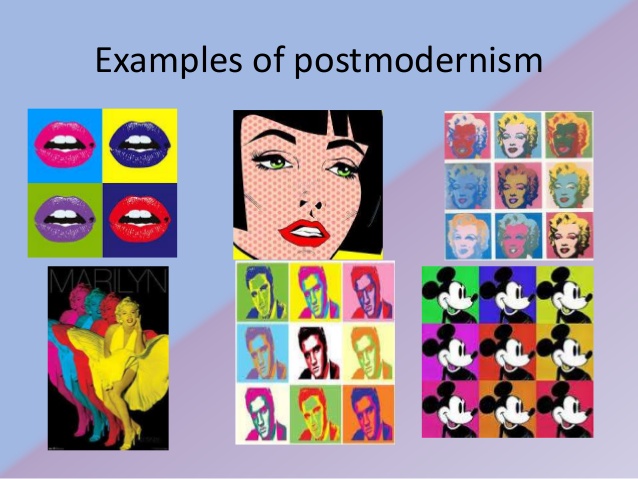
Postmodernism: a reaction against the ideas and values of modernism, as well as a description of the period that followed modernism’s dominance in cultural theory and practice in the early and middle decades of the twentieth century. The term is associated with scepticism, irony and philosophical critiques of the concepts of universal truths and objective reality. source
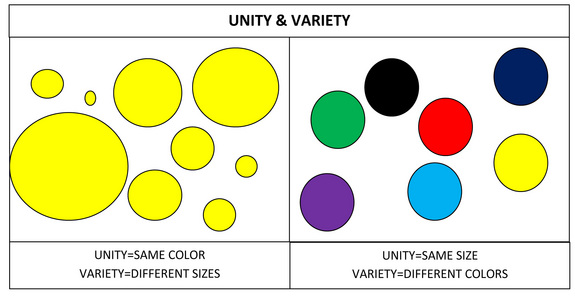
Unity: an important principle of design that gives the artwork a sense of cohesion or coherence. It is the wholeness or completeness of a picture. Unity and harmony in art are used by artists to tie a composition together and help the composition make sense as a whole piece of art. source
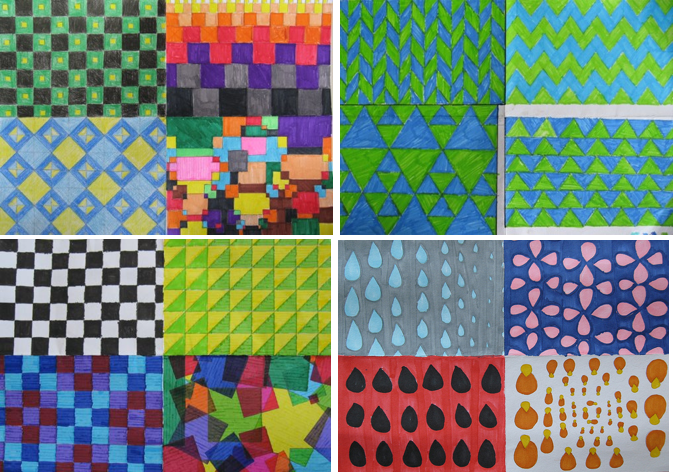
Rhythm / Pattern: pattern is a combination of elements or shapes repeated in a recurring and regular arrangement; rhythm–is a combination of elements repeated, but with variations. source
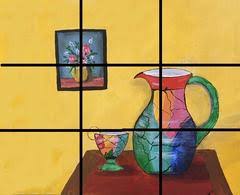
Rule of Thirds: a general guideline for how to create an interesting composition which states that any image—painting, photograph, graphic design—should be broken into a grid with two vertical and two horizontal lines, creating nine equally proportioned boxes. Important compositional elements should then be placed either on the lines or at their intersections. This results in dynamic, interesting compositions that draw the viewer’s eye across the scene. source
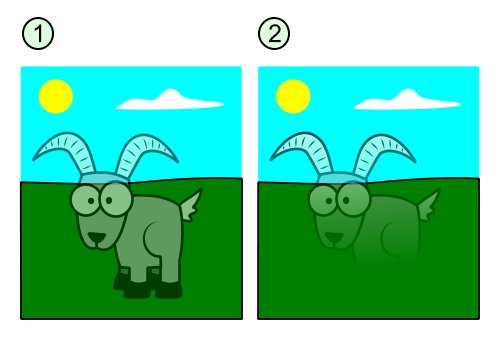
Transparency: lets a lot of light through, giving the appearance of it being totally see-through. source
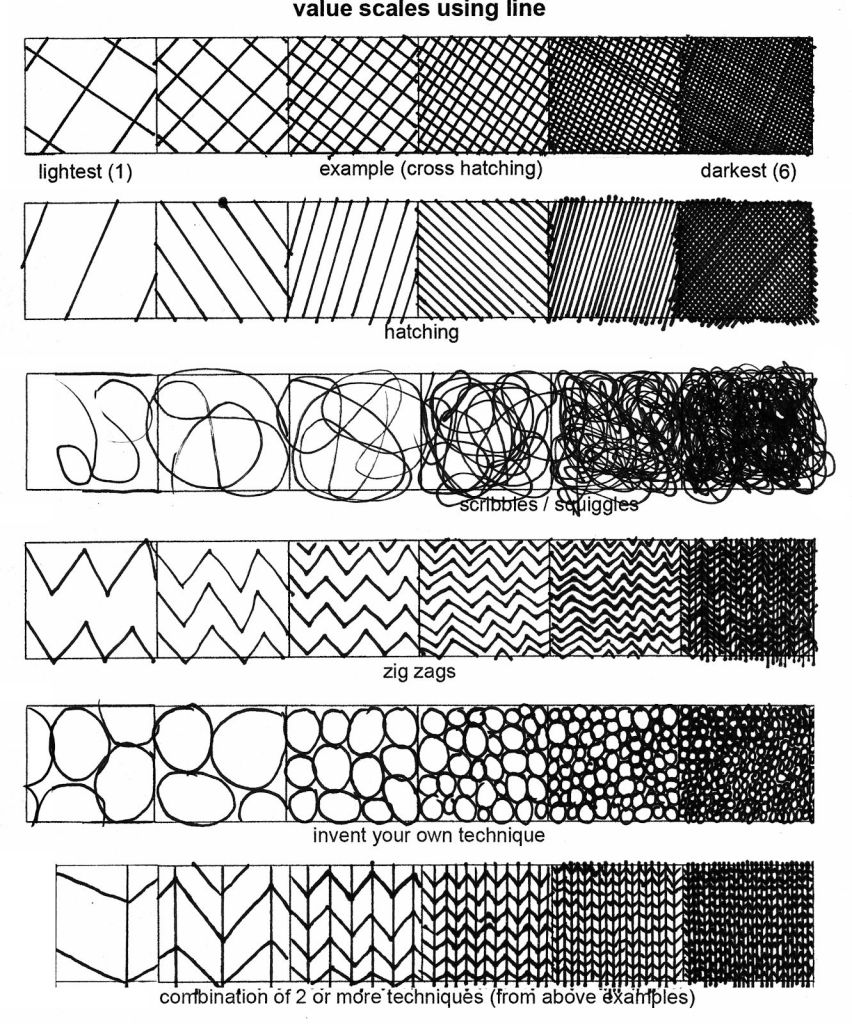
Value: the relative lightness or darkness of a color. It is an important tool for the designer/artist, in the way that it defines form and creates spatial illusions. source

 Art Bananas